


Crafting Sustainable Interiors for Hong Kong Homes
When I think about creating a home that feels good to live in, I focus on more than just looks. I want spaces that breathe, that nurture health, and that respect the planet. In a bustling city like Hong Kong, where space is tight and pollution is a constant concern, crafting sustainable interiors is not just a trend - it’s a necessity. I’m excited to share how you can transform your home into a sanctuary that supports your well-being and the environment.
Why Sustainable Interiors Matter in Hong Kong
Hong Kong’s fast-paced lifestyle and dense urban environment make it easy to overlook the impact our homes have on our health and the planet. But sustainable interiors can change that. They reduce waste, improve air quality, and create a calming atmosphere that helps us recharge.
Sustainable interiors mean using materials that are eco-friendly, durable, and non-toxic. It’s about choosing furniture and finishes that don’t harm the environment or your health. For example, opting for bamboo flooring instead of traditional hardwood can save trees and reduce carbon emissions. Bamboo grows quickly and absorbs more carbon dioxide, making it a smart choice for eco-conscious homes.
Another key is reducing construction waste. Many interior design projects generate tons of debris, but companies like 2plus4 Interior Design are leading the way by turning waste into valuable resources. This approach not only cuts down landfill but also inspires us to rethink how we use materials.

How to Start Your Sustainable Interiors Journey
Starting your sustainable interiors journey can feel overwhelming, but it doesn’t have to be. Here are some simple steps I follow to make my home greener and healthier:
Assess Your Space - Look around and identify what needs changing. Is your paint old and peeling? Are your furniture pieces made from harmful materials? Knowing what to replace or improve is the first step.
Choose Low-VOC Paints - Volatile organic compounds (VOCs) in paint can cause headaches and respiratory issues. Low-VOC or zero-VOC paints are safer and better for indoor air quality.
Opt for Natural Fabrics - When picking curtains, cushions, or upholstery, I go for organic cotton, linen, or hemp. These fabrics are breathable and free from harmful chemicals.
Maximize Natural Light - Bright spaces feel healthier. I open up windows and use light-colored walls to reflect sunlight, reducing the need for artificial lighting during the day.
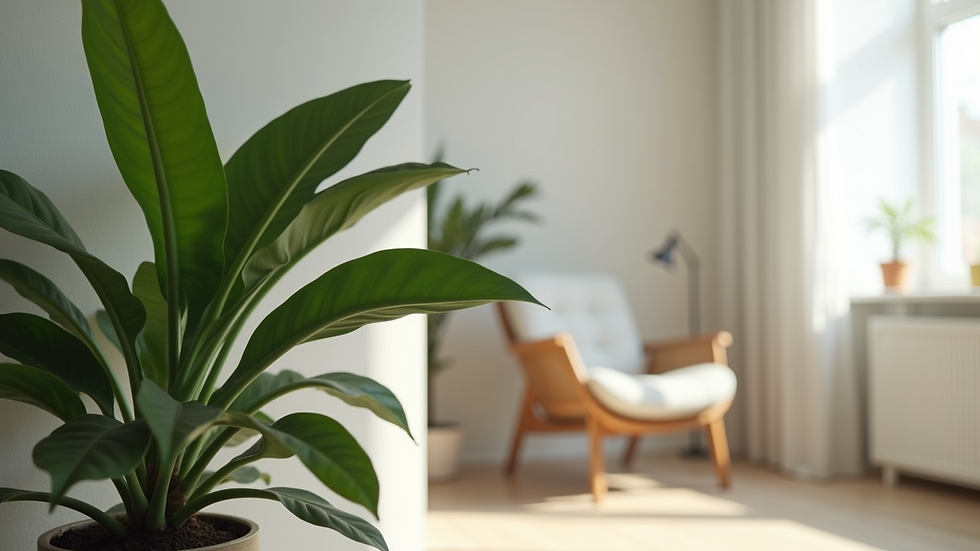
Incorporate Plants - Indoor plants are natural air purifiers. They absorb toxins and add a touch of nature to your home, which is especially important in a city like Hong Kong.
By taking these steps, you’re not just improving your home’s look but also its health and sustainability.
Creating a Healthy Atmosphere with Smart Choices
A healthy home is a happy home. I focus on creating an atmosphere that supports my well-being every day. Here’s how I do it:
Air Quality: I use air purifiers and keep windows open when possible to circulate fresh air. Avoiding synthetic fragrances and harsh cleaning products also helps keep the air clean.
Non-Toxic Materials: From furniture to flooring, I choose items made without harmful chemicals. For example, natural wood furniture with non-toxic finishes is a great alternative to particleboard or plastic.
Energy Efficiency: Using LED lighting and energy-efficient appliances reduces electricity use and lowers my carbon footprint.
Water Conservation: Installing low-flow faucets and showerheads helps save water without sacrificing comfort.
These choices might seem small, but together they create a healthier living environment that feels good and lasts longer.
How 2plus4 Interior Design Supports Sustainable Living
I’ve been inspired by companies like 2plus4 Interior Design, who are changing the way we think about interiors in Hong Kong. They focus on transforming construction waste into valuable resources, which is a game-changer for sustainable interiors.
Their approach is practical and innovative. Instead of sending waste to landfills, they repurpose materials into beautiful, functional pieces. This not only reduces environmental impact but also offers affordable, green solutions for homeowners and businesses.
By choosing designers who prioritize sustainability, you support a movement that benefits everyone. It’s about shifting mindsets and proving that eco-friendly interiors can be stylish, economical, and healthy.
Tips for Maintaining Your Sustainable Home
Once you’ve created a sustainable interior, keeping it that way is key. Here are some tips I follow to maintain a healthy and eco-friendly home:
Regular Cleaning with Natural Products: I use vinegar, baking soda, and essential oils instead of harsh chemicals.
Repair and Reuse: Instead of throwing things away, I fix or repurpose furniture and decor.
Mindful Purchasing: I buy only what I need and choose quality over quantity.
Seasonal Refresh: I rotate textiles and decor to keep the space fresh without buying new items constantly.
These habits help me live lightly on the earth while enjoying a beautiful, healthy home.
Embracing a Greener Future in Hong Kong Homes
Creating sustainable interiors is more than a design choice - it’s a lifestyle. It’s about making decisions that protect our health and the planet. In a city like Hong Kong, where space and resources are limited, every small step counts.
If you want to learn more about how to create healthy interiors hong kong, I encourage you to explore local experts and resources. Together, we can build homes that are not only beautiful but also kind to ourselves and the environment.
Let’s make sustainable interiors the new standard for Hong Kong homes. It’s a journey worth taking, and the rewards are truly priceless.


Comments